By KM Editorial | Kun Motors | March 2026
Chinese pickup trucks are everywhere now. Central Asia, East Africa, the Middle East, Southeast Asia — walk into any commercial district and you’ll see them. The prices look right. The specs look right. And then six months later, a dealer is stuck with a truck he can’t get parts for, a warranty nobody will honor, and a customer who wants his money back.
This guide is for buyers who want to get it right the first time.
First: Why Chinese Pickups Have Become the Default Choice
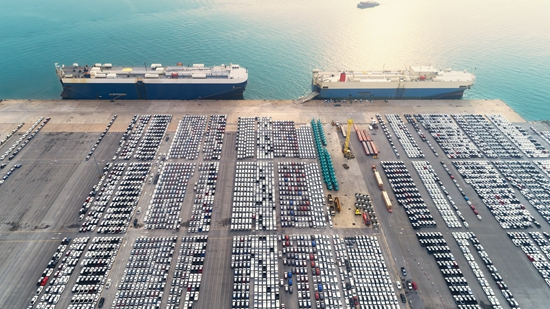
The numbers tell the story. In 2025, Chinese commercial vehicle exports crossed 1.8 million units. Pickup trucks — particularly full-size body-on-frame platforms — account for a fast-growing share of that figure, driven by demand in markets where Japanese and American alternatives have become prohibitively expensive or simply unavailable.
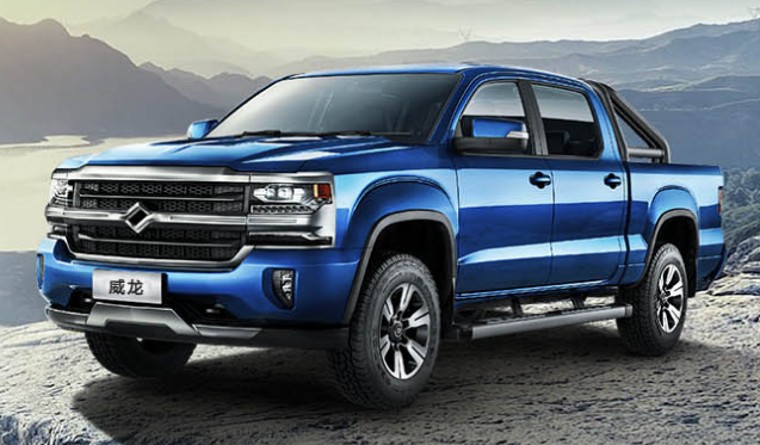
The value proposition is real. A Huanghai N7 — a genuine full-size pickup with a Mitsubishi-sourced engine, 8-speed automatic, and four-wheel drive — starts from around $13,900 FOB. The comparable Toyota Hilux starts at roughly double that figure in most import markets. The spec gap has narrowed dramatically. The price gap has not.
But the market has a problem: for every legitimate, factory-authorized unit moving through proper channels, there are grey-market vehicles, non-certified imports, and reassembled units flowing through informal networks. The truck might look identical. The paperwork might look close enough. The consequences of getting it wrong are not minor.
The Two Markets Nobody Talks About
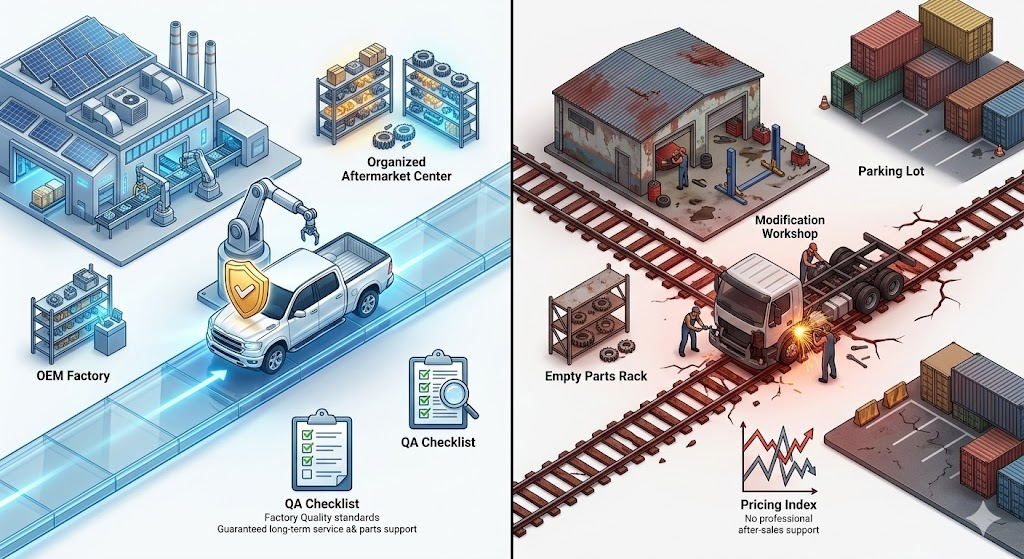
When you’re sourcing Chinese pickups, you are effectively choosing between two completely different supply chains — even when the product looks the same.
The authorized channel runs factory → official export partner → certified importer → dealer. Every unit carries original manufacturer certification, genuine VIN documentation, factory warranty coverage, and access to OEM parts supply. The manufacturer knows the vehicle exists in your market. If there’s a recall, you’ll know about it. If you need a gearbox, you can get one.
The grey market runs factory outlet → trading company → freight forwarder → whoever. Pricing is lower. Documentation is flexible. The vehicle that arrives may be a genuine factory unit — or it may have been assembled, modified, or spec-swapped somewhere along the way. You will not know the difference until something breaks.
The critical point: in most markets, certification is tied to the channel, not the vehicle. A GCC-certified Huanghai N-Series or SAIC-Maxus T90/T60 bought through an authorized distributor is a certified vehicle. The same model sourced through an informal trading company is not — regardless of what the paperwork says.
What Certifications Actually Mean (and Which Ones Matter for Your Market)
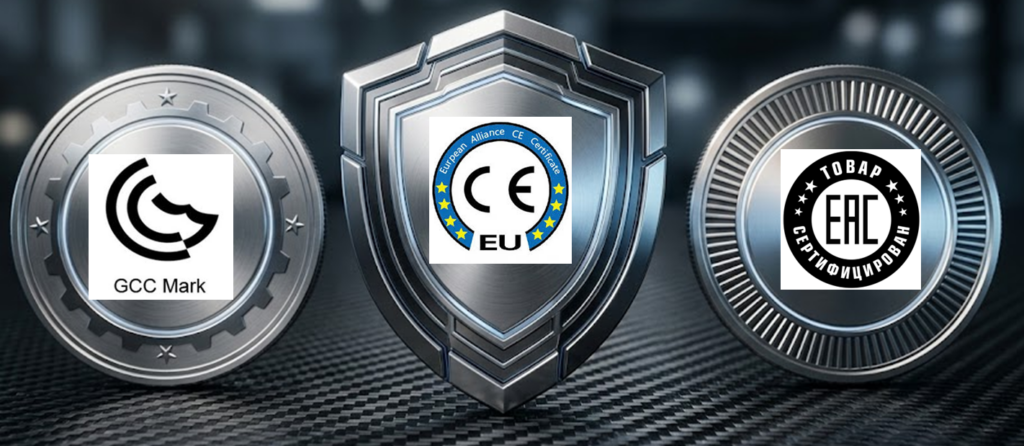
Different markets require different compliance standards. Here’s what you need to know:
- GCC Certification (Gulf Cooperation Council — Saudi Arabia, UAE, Kuwait, Qatar, Bahrain, Oman): Required for all vehicles sold in GCC countries. Covers emissions, safety systems, lighting, and electrical standards specific to the region. A vehicle without GCC cert cannot be legally registered in these markets. The Huanghai N2S carries current GCC certification.
- ECE Certification (Economic Commission for Europe — also accepted across much of Central Asia, North Africa, and select African markets): The broader international standard. More demanding than GCC in some areas. ECE-certified vehicles have undergone independent testing at approved facilities. Both the Huanghai N-Series and SIAC-Maxus T60/T90 carry ECE certification.
- OTTC Certification (specific to Kazakhstan and several CIS markets): Required for vehicles entering Kazakhstan through official import channels. Particularly relevant if you are building a fleet operation or dealer network in Central Asia. Without OTTC, your vehicles will face customs complications regardless of what else they’re certified for.
The Five Questions to Ask Before You Wire Any Money
1. Are you a direct OEM-authorized export partner? Not someone who “works closely with” the factory. Ask for the original authorization letter, signed by the manufacturer, with a current validity date. It should name the exporter specifically and cover the vehicle models you are purchasing.
2. What is the FOB point and who handles export customs? FOB (Free on Board) pricing means the seller’s responsibility ends when the vehicle is loaded onto the vessel at the named port. You need to know exactly which port, who handles the export declaration, and whether the HS code on the export documents matches the actual vehicle specification. Mismatched HS codes are a common source of customs problems at the destination.
3. What is the warranty coverage and how is it administered in my market? A factory warranty is only useful if there is a mechanism to honor it. Ask specifically: who is the warranty administrator in your country? What is the claim process? What documentation is required? If the answer is vague, the warranty is effectively non-existent.
4. What is the parts supply arrangement? This is where grey-market vehicles break down — sometimes literally. Genuine OEM parts for Chinese pickups are increasingly available internationally, but only through authorized supply chains. Ask for the parts catalogue, the regional parts depot location, and the typical lead time for fast-moving items (filters, brake components, belts). A supplier who cannot answer this question has not thought past the sale.
5. Can you provide references from existing customers in my region? Not testimonials. Not case studies. Actual contacts — dealers or fleet operators in your market or a comparable market — who have bought from this supplier and can speak to their experience post-delivery. A legitimate authorized supplier will have these. A trading company operating at the edge of authorization will not.
Picking the Right Model for Your Market
Not all Chinese pickups are built for the same use case. Here is a practical breakdown:
- Huanghai N7 — Best for: Central Asia, East Africa, demanding off-road commercial use. Full-size platform (5685mm), Mitsubishi 2.4T petrol or diesel, 8AT or 6MT, permanent 4WD. ECE and OTTC certified. This is the vehicle that completed 1,803km of desert, sand, and swamp fording for Kazakhstan Ministry of Defense field testing. If your customers are running vehicles hard in rough terrain, this is the baseline recommendation.
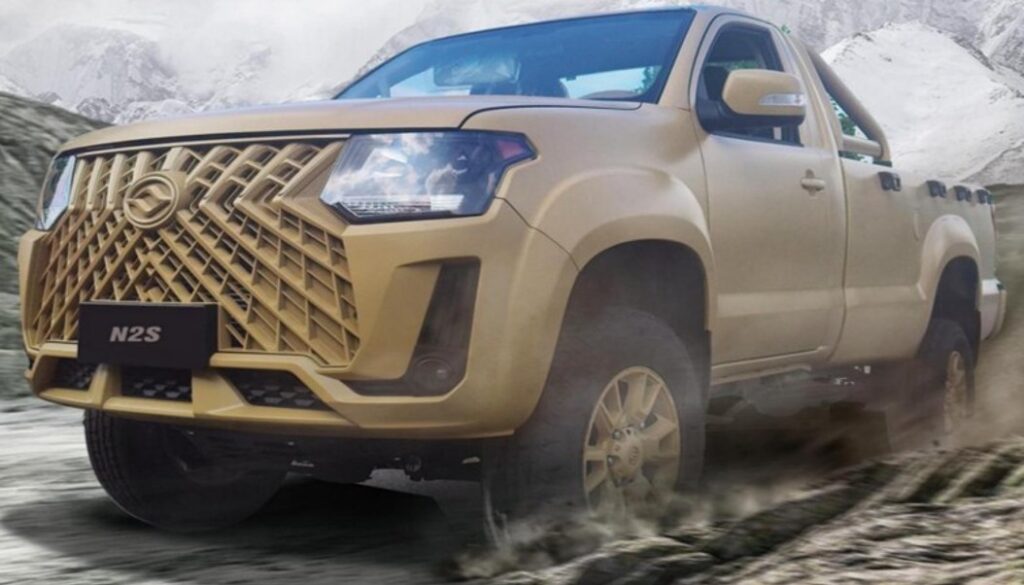
- Huanghai N2S — Best for: GCC markets, fleet operations, mixed urban-rural use. Slightly smaller footprint, broader engine options (petrol, diesel, CNG, pure EV variant), 1.3T payload rating. GCC, ECE, and OTTC certified. The availability of a pure EV pickup variant is increasingly relevant in markets with fuel subsidy reform underway.
- SAIC Maxus T90 (Star Pickup) — Best for: East Africa, RHD markets, and high-end commercial use. Equipped with a powerful 2.0T bi-turbo diesel engine delivering 500Nm of torque and a heavy-duty payload capacity. Crucially, it is available in factory Right-Hand Drive (RHD) configurations, making it the perfect choice for markets like Kenya that demand premium interior features combined with relentless working capability.
- Dongfeng-Nissan Z9 — Best for: Buyers who need executive-grade interior specification with genuine full-size capability. At 5498mm with flagship interior trim, this sits above the working-truck segment. Petrol, diesel, or PHEV. For markets where the pickup is also a status vehicle — common across the Gulf and parts of Central Asia — this is the appropriate choice.

Red Flags: When to Walk Away
- Supplier cannot produce original authorization documents.
- Price is significantly below published FOB levels (suggests non-genuine or diverted stock).
- VIN documentation is incomplete or inconsistent.
- Certification documents show third-party stamps rather than direct OEM issuance.
- No clear parts supply arrangement beyond “we can source what you need.”
- Payment terms require full upfront wire before documentation is provided.
The Bottom Line
Chinese pickup trucks represent genuine value. The manufacturing quality, particularly from established OEMs with joint-venture heritage, is no longer a question mark. The certification infrastructure for international markets is mature and functional.
The risk is not in the product. The risk is in the channel.
Buy authorized, buy certified, and buy from a supplier who will still be answering your calls twelve months after delivery. Everything else is a false economy.
Kun Motors is a direct authorized export partner for SAIC Maxus, Huanghai, Dongfeng-Nissan, and CHTC. All vehicles are supplied with original OEM authorization documentation, current market certifications, and factory-backed after-sales support. For sourcing inquiries, contact us at www.kunmotors.com.