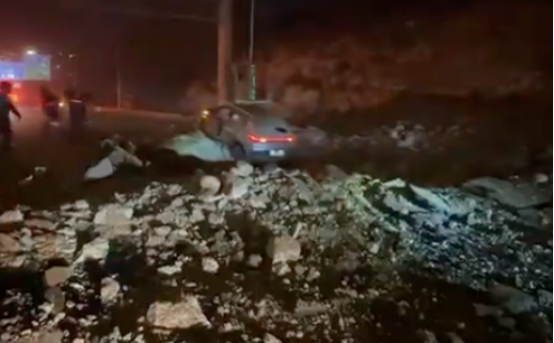
On March 1, 2026, a ballistic missile detonated near a BYD Atto 3 in Jerusalem. The footage was harrowing: a massive crater, shattered glass, and a mangled vehicle. Yet, all five occupants walked away alive.
While the internet calls it a “miracle,” those of us with 15+ years of BMW & Daimler quality leadership see something else. It isn’t magic—it’s the result of a massive shift in the baseline of Chinese automotive engineering. But before you let viral marketing write the conclusion for you, here are the three things every international buyer needs to understand.
1. The PR Divide: Marketing Hype vs. Corporate Integrity
When the incident broke, BYD’s marketing team immediately touted, “Safety is the ultimate luxury.” To an industry insider, this feels like “clout-chasing” on a tragedy.
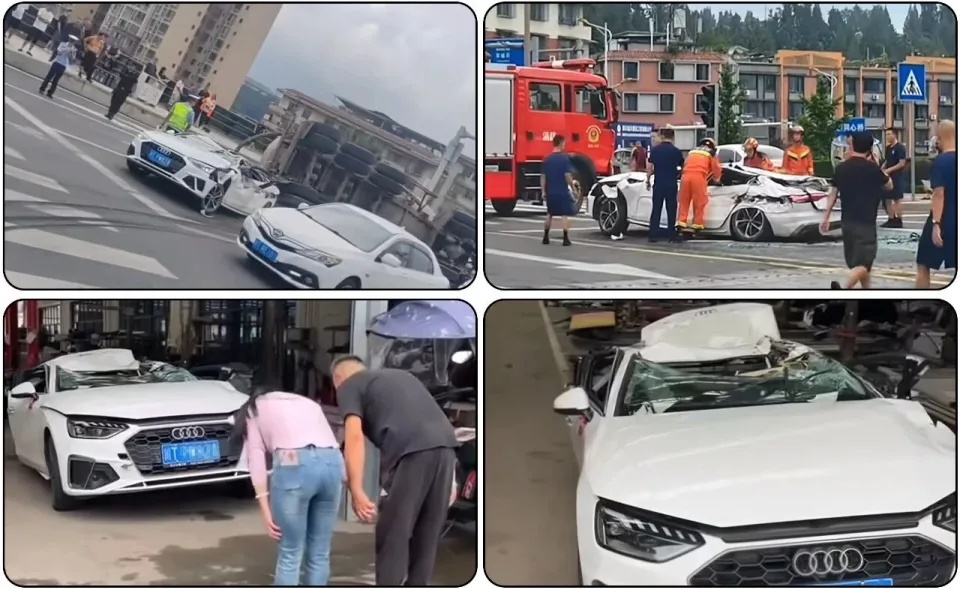
Compare this to the FAW-Audi A4 incident in China. A 100% domestic-made Audi A4—built with a fully localized Chinese supply chain under strict German quality protocols—was completely crushed by a cement mixer. The occupant survived because the Chinese-made cabin structure held firm.
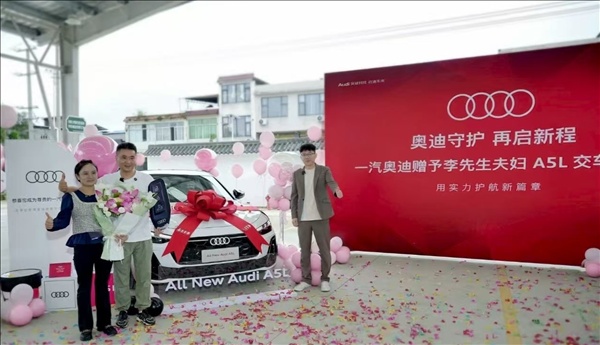
- The Response: FAW-Audi didn’t post slogans. They quietly handed the owner a brand-new Audi A5 in a gesture of genuine customer care.
- The Lesson: Real brand authority comes from standing behind the user, not just using their near-death experience as a marketing asset.
2. Is it a “Miracle” or Physics?
The Jerusalem incident proves that Chinese mass-market cars have reached global safety benchmarks. High-strength steel and battery thermal stability are now “standard equipment” across the board.
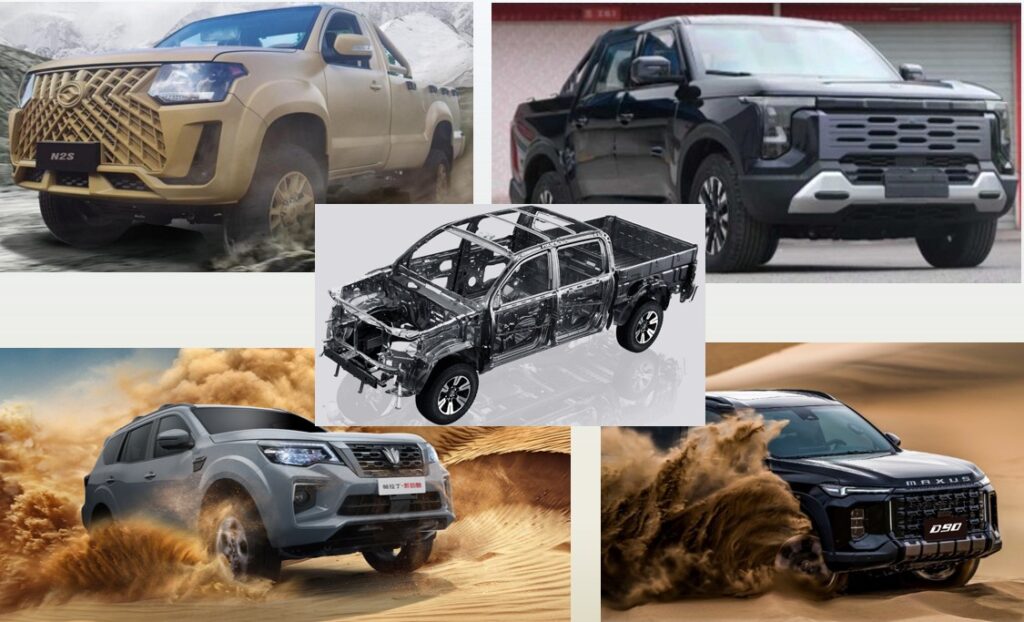
However, a professional buyer shouldn’t just seek to “survive” an accident; you should seek a vehicle that survives the environment. While the Atto 3 (an urban EV) held its frame, it was rendered immobile. If the driver had been in a Dongfeng Paladin or a Huanghai N7—China’s answers to the legendary hard-core platforms—they likely would have driven away from the blast site. These “Old Guard” manufacturers have spent decades perfecting the body-on-frame rigidity that startups simply cannot match.
3. The Service Gap: Why the “Channel” is Everything
It is an open secret that some high-volume Chinese brands struggle with service quality—often prioritizing “solving the person who raised the problem” over “solving the problem itself.”
In the international market, your safety and uptime depend entirely on your acquisition channel. While the BYD in Jerusalem performed well because it was a factory-spec unit, the real risk lies in the “Grey Market.” By purchasing through unauthorized channels, you lose:
- Genuine Parts: Only authorized channels guarantee that your vehicle’s 5-star crash rating isn’t compromised by substituted components.
- Service Accountability: In regions like Central Asia or Africa, having a direct link to the manufacturer is the only way to ensure your fleet stays on the road.
Conclusion
The missile in Jerusalem didn’t just test a car; it stress-tested the entire Chinese auto industry. The result? China-made vehicles are ready for the world. But don’t buy based on a viral video. Buy based on technical heritage and authorized reliability. KUN MOTORS specializes in sourcing from China’s most stable, traditionally proven manufacturers (SAIC, Dongfeng, Huanghai) via 100% legal and authorized channels.
Because in the real world, you don’t need a miracle—you need a standard.